Trimethyl phosphite stands out in the crowded world of phosphorus compounds. Looking back, the early research in organophosphorus chemistry altered how scientists made a range of essential chemicals. Trimethyl phosphite's story begins deep in the classic organic labs of the 20th century, at a time when chemists hunted for better ways to move phosphorus into carbon-based molecules. Though it may not grab the headlines like some compounds, its development marked a turning point for synthetic chemistry. It offered an accessible path to phosphonate esters, key building blocks for herbicides, flame retardants, and pharmaceuticals. For folks working in organic synthesis, trimethyl phosphite isn't just another chemical; it's often the key that unlocks tough transformations.
Grab a bottle of trimethyl phosphite, and you notice a thin, colorless liquid that smells a bit like roasted seeds or fatty oils. That smell hints at the phosphorus beneath. Its formula, (CH3O)3PO, reveals its symmetry, but one spill on your gloves reminds you not to let familiarity breed carelessness. It's flammable and reacts with water to give methanol and phosphorous acid, a shift that can turn a careless spill into something more serious. It boils near 111°C, and those fumes can catch fire in the right concentration of air, so using it calls for steady hands and good ventilation. Many labs set strict rules for handling and waste because spills can creep up on your skin or eyes with more bite than most methyl ethers.
Many first meet trimethyl phosphite as a phosphorus source in the well-known Michaelis–Arbuzov reaction, a classic move in organophosphorus chemistry. In this reaction, alkyl halides mix with trimethyl phosphite to swap out their halogen for a phosphonate group—an essential reaction for making agricultural chemicals that help feed the world. Beyond that, the compound earns respect for its knack in producing flame-retardants for textiles, plasticizers, and a range of specialty pharmaceuticals. I recall one memorable research project where a stubborn chemical bond wouldn't break, but a dash of this phosphite made the impossible reaction hum along. That quick solution saved weeks of effort—and it wasn't magic, just the right chemistry.
Companies selling trimethyl phosphite emphasize purity, water content, and trace elements. Even a bit of water changes how it behaves, hydrolyzing the stuff and cutting into yields. Technical sheets spell out recommended storage (sealed, cool, dry), minimum purity (often over 99 percent), and safe containers, usually amber glass or metal to keep out moisture and sunlight. Labels warn about toxicity and fire risk, not because they want to scare, but because decades of accidents taught a hard lesson: treat volatile phosphorus compounds with full respect. I’ve found that a single misread of a label or skipped glove in a hurry can mean the difference between a smooth experiment and a call for the safety shower.
In industry, most trimethyl phosphite comes from reacting phosphorus trichloride with methanol in the presence of an acid scavenger like a tertiary amine. This route makes sense for chemists familiar with the hazards and quirks of phosphorus chemistry. The process might seem straightforward, but controlling the temperature and gas release needs experience; even a small hiccup can create toxic byproducts or worse. Chemists tweak the process to squeeze out higher yields and purer product, always chasing that elusive perfect batch while sidestepping dangers. Some research teams continue to push for greener or less hazardous methods, searching for alternatives that avoid halogenated waste or cut energy demands.
Behind every major reaction in which trimethyl phosphite plays a part lurks a web of possibilities. Apart from Arbuzov chemistry, researchers use it to reduce nitro groups, to make phosphonates from alkenes, or to mediate coupling reactions between nucleophiles. It’s often included for its oxygen-scavenging abilities—chemists know it can protect sensitive reagents by gobbling up stray oxygen. Recently, scientists began investigating modifications to introduce bulk, change solubility, or tweak reactivity by swapping out methyl groups or by tying the phosphite core into larger molecules. These tricks turn an everyday reagent into a tool for custom synthesis projects in pharmaceutical or agricultural labs.
Ask five chemists and you might hear "trimethyl phosphite," "phosphorous acid trimethyl ester," and "TMP" in casual conversation—synonyms that mark time spent in labs or production plants. On order forms and chemical catalogs, product names sometimes stretch into other languages or abbreviations, leading to confusion if you aren't careful. No matter what the label reads, the risks and opportunities remain the same. In my own experience, double-checking the identity, purity, and supplier details helps avoid costly mistakes—a renamed bottle of a close cousin can wreck a week of careful work.
Many veteran chemists treat trimethyl phosphite with a respect that's almost superstitious, due not just to its reactivity but to its toxic legacy. Breathing the fumes or letting it touch skin leads to serious health risks. I’ve seen cases where lax storage let bottles foul the air, putting whole labs at risk. Modern standards require fireproof storage, tight seals, fume hoods, nitrile gloves, and regular safety audits. It's no secret among seasoned researchers that vigilance saves both careers and lives. Companies and universities push safety training that drills emergency responses and first aid, based on hard-learned lessons from accidents stretching back decades.
Trimethyl phosphite plays an unsung but indispensable role in making glyphosate, the active ingredient in some of the world’s best-known herbicides. That alone gives it massive importance in agriculture. Drug makers rely on its smooth reactivity to make phosphonate analogs and tailor-make molecules that target everything from viruses to tumors. Its use isn’t limited to blockbuster products—smaller specialty applications in polymer chemistry, plastic additives, and even fire retardants keep it in steady demand. Each new use brings with it scrutiny over safety, environmental impact, and the possibility of finding even better alternatives.
At the research frontier, chemists look to squeeze more value from trimethyl phosphite. Environmental concerns push teams to redesign old synthetic routes, cutting waste and improving yield. Some labs chase asymmetric synthesis, hoping to build more complex drugs with fewer steps and greener footprints. Biotechnology groups investigate milder catalysts and renewable phosphorus sources, ever mindful of the finite nature of mineable phosphorus. Creative minds across the world experiment with modifications that broaden where and how trimethyl phosphite can be used—whether they're making new everyday products or treating tough diseases.
Stories from the safety logs remind everyone that chemistry's power comes with real risks—trimethyl phosphite can irritate lungs and damage organs with repeated exposure. Researchers track its impact on health, charting pathways by which it can break down or build up in the body. Regulators weigh these findings to set safe exposure limits and workplace standards, always hunting for evidence from fresh studies. The awareness that a common reagent can turn dangerous in the wrong hands shapes not just rules but also the culture of every lab. It's all about striking a balance: extracting value without leaving lasting harm.
The future of trimethyl phosphite rides on pressures from sustainability, regulation, and innovation. As phosphorus supplies tighten, researchers double down on using every atom efficiently. Some see the shift toward greener, less toxic processes as a challenge and a chance for clever redesign. Regulators increase scrutiny, pushing for transparent labeling and tighter exposure limits. Companies that move ahead—investing in safety technology, greener manufacturing, and product stewardship—stand to benefit the most. In my own years watching the industry, the compounds that survive and thrive are those that adapt, both in their chemistry and in their impact on the world around them. Trimethyl phosphite exemplifies that journey—useful, hazardous, adaptable, and always under watchful eyes.
The first time I came across trimethyl phosphite, I barely registered the name. I figured it belonged to that endless list of chemicals tucked away in labs—the kind only chemists could love. With time, reading about how this compound fits into so many daily-life technologies changed my mind. For something you rarely hear about on the news, trimethyl phosphite holds surprising significance.
Trimethyl phosphite shows its real value in creating other chemicals. Most folks outside the lab don’t realize just how central it is in making new molecules for medicine, agriculture, and tech. In organic chemistry, trimethyl phosphite acts as a reagent—a team player that shapes the ingredients of life-saving drugs and crop protectants. A small tweak at the molecular level can decide whether a chemical heals you or harms you. That’s no small matter.
For example, the pharmaceutical world counts on this compound to build complex molecules efficiently. In a time when drug development sprinted ahead during the pandemic, the ability to make safe, reliable ingredients mattered as much as scientific breakthroughs themselves. Trimethyl phosphite takes part in those reactions, helping science move from discovery to pharmacy shelves.
Chemistry spills out of lab benches and flows into factories, fields, and research parks. If you have a mobile phone or laptop nearby, it’s worth knowing that such tech depends on the skilled use of phosphorus compounds. Trimethyl phosphite serves as a stepping stone for making flame retardants, specialty plastics, and even intermediates for microchips. The quest for smaller, faster chips ties back to controlling these molecular building blocks. Without them, electronics hit limits fast.
Agriculture makes its claim too. Pesticides draw on organophosphorus chemistry, with trimethyl phosphite tucked into the process. Feeding the world’s growing populations pressures scientists and farmers to keep yields high and losses low. Better chemicals mean healthier crops with less waste.
Plenty of chemical advances come with warning signs. Trimethyl phosphite itself needs careful handling. Exposure risks carry big consequences, and spills demand fast action. Here’s where responsible production and workplace practices step up. You see news stories about leaks or fires in chemical facilities, and it all seems distant—until you realize that better training and investment in safety gear could prevent disaster.
Ecological impact matters too. Chemical manufacturing ranks among the largest industrial consumers of energy, and phosphorus-based processes can leave harmful byproducts. Industrial leaders and researchers keep looking for greener methods that limit waste and cut down risky emissions. I have watched whole teams dedicate years to finding catalysts or process tweaks that help the environment while keeping output up. The gains come slowly, but every step counts.
Trimethyl phosphite doesn’t fill headlines or public debates, but it touches parts of modern life that few notice. Whether in new medicines or tech gadgets, the ability to innovate responsibly matters. Public trust leans on transparency, facts, and a push for safe practices in production and use.
Whenever industries upgrade safety training and environmental protections, everyone wins. Stronger oversight and clear scientific communication build the foundation for trust. Making these chemicals is about more than just output—it's about keeping workers, communities, and the planet safe along the way. It’s worth paying attention, even if the name sounds like jargon.
Chemistry class back in school always made me a bit uneasy—one misplaced number on a test and the rest of the formula fell apart. Trimethyl phosphite stands out because asking for its chemical formula, P(OCH3)3 or C3H9O3P, leads to a story that stretches far beyond chemistry quizzes. Every bottle of this stuff is a spark that gets a whole branch of industrial chemistry moving.
Trimethyl phosphite shows up in labs and factories in places you wouldn’t guess if you haven’t been elbow-deep in a research project. People use it to make certain pesticides and pharmaceuticals. It also steps in as a starting material for flame retardants. Its chemical formula might seem simple on the page, but once inside a flask or reactor, it reshapes molecules and helps unlock reactions that wouldn’t budge otherwise.
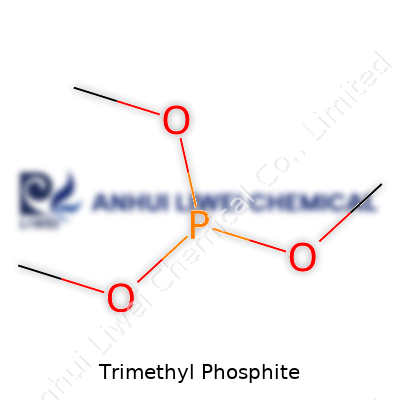
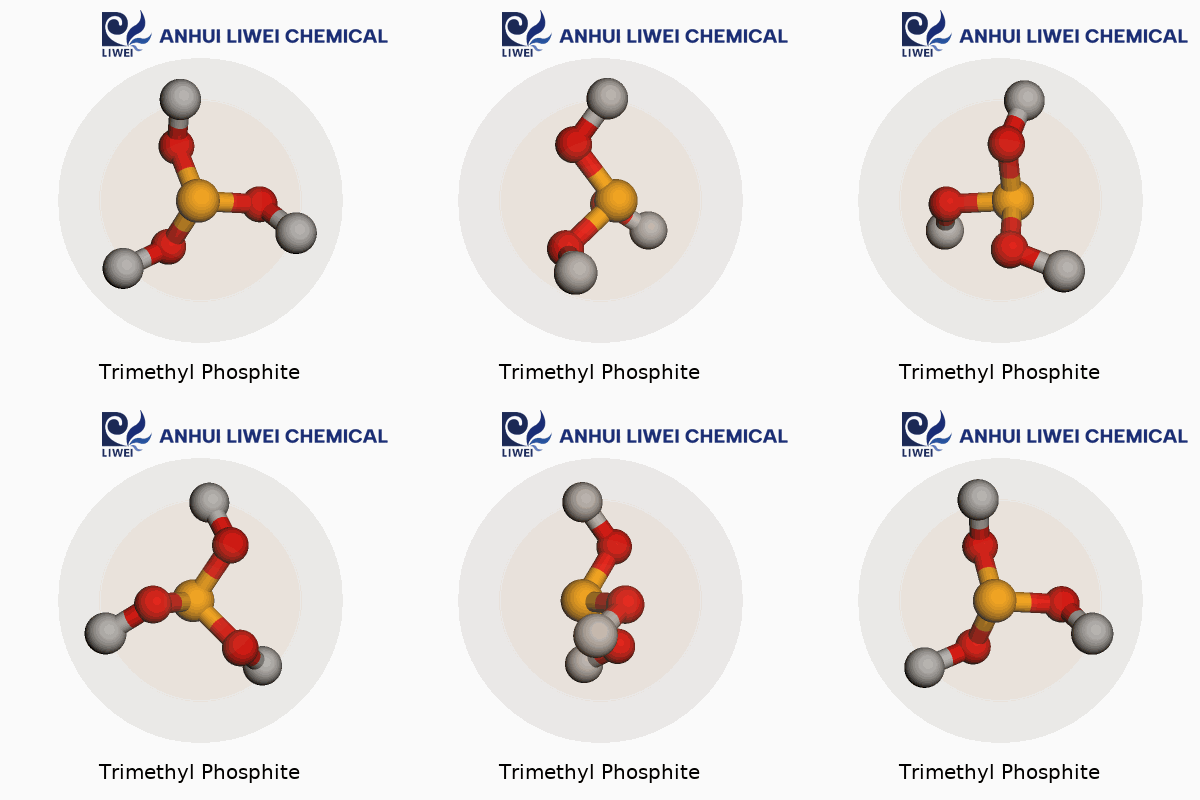
It’s made of phosphorus bonded with three methoxy groups. The phosphorus atom at the center holds everything together. That three-armed shape helps the molecule fit perfectly into critical reactions, making it important in synthesis—especially in getting from simple ingredients to much more valuable compounds. That’s not just technical talk. It means Trimethyl phosphite turns up in products that end up saving crops or protecting homes from fire.
Every student who has ever opened a chemical catalog probably noticed the warning symbols next to this name. Trimethyl phosphite demands respect during use. If mishandled, it can irritate skin and eyes, and inhaling the vapors is risky business. I remember my supervisor in an internship telling stories about an old chemistry professor who never wore gloves—now retired with a long record of minor chemical burns. There’s always someone in every lab who cuts corners, but a moment’s shortcut causes problems nobody wants.
The compound isn’t an everyday news story, yet its risks hit home for chemists and workers. Long-term exposure catches up, and open bottles send vapors straight into lungs that won’t thank you later. Safety gear and fume hoods aren’t there for decoration—they make sure accidents remain rare stories rather than daily realities. As regulations get tighter, more labs take monitoring and protection seriously, which protects workers and keeps the workplace functioning smoothly.
Knowing the formula isn’t about ticking trivia off a list. Understanding the properties of Trimethyl phosphite—what it reacts with, how it’s stored, where it fits in chemical synthesis—keeps people safe and pushes research forward. A well-informed chemist avoids common pitfalls and works efficiently, with less waste and fewer safety headaches. As someone who’s spent late nights chasing stubborn reactions, I know how even small missteps can force a project back to square one.
Demand continues for compounds that make materials safer and pharmaceuticals quicker to produce. The push for sustainability also means better, safer handling all the way from factory to final product. Transparency and clear communication on labels and in training sessions make a difference. Every step forward lowers risk—and for so many in the business, that means less worrying about what might go wrong and more time making useful chemistry happen.
Trimethyl phosphite isn’t something most people talk about at dinner, but it plays a key role in many industries, especially in making chemicals and pharmaceuticals. It comes as a colorless liquid with a sharp, distinctive odor. I’ve seen plenty of lab spaces keep a close eye on how it’s handled. From my own work in chemistry, I've noticed how its presence can worry even the most experienced professionals.
Trimethyl phosphite doesn’t hold back when it comes to hazards. Take its ability to catch fire — just a small spark can light it up. Breathing in its vapors is not just uncomfortable; it can result in nausea, dizziness, or headaches. Prolonged or repeated contact with skin may cause irritation or, in rare cases, a burn. No one in a lab likes to have any part of it on their skin, and with good reason.
Open bottles don’t just stink up the room — they fill the air with fumes the body shouldn’t have to process. Over time, exposure can lead to more severe health problems, especially for those who have to handle this stuff day-in and day-out. Though large-scale poisonings haven’t made headlines, regulatory agencies such as OSHA and NIOSH rate it as a hazardous material, so workplaces treat it with respect.
Firefighters know its risks well. Once it starts burning, trimethyl phosphite can produce phosphorus oxides and carbon monoxide — both extra dangerous. This means emergency crews will refuse to take chances and gear up with full respiratory protection if a spill catches fire.
This isn’t a chemical that just sits on the shelf and minds its business. From my experience teaching students about lab safety, I’ve seen how easy it is to make mistakes with chemicals that don’t show immediate harm. Trimethyl phosphite may not always give off clear warning signs, but the danger is real. People in neighboring workspaces or family members near production sites could get exposed if something goes wrong.
Most folks outside the industry depend on tech and health advances that start with chemicals like this one. That’s why tough regulations and ongoing safety checks aren’t just about the lab workers—they protect the neighborhood and even the environment. A spill in the wrong place, and rivers or air around plants take the hit. The fact that this chemical is both flammable and potentially toxic should be enough to make anyone pause before treating it lightly.
In my early career, protective equipment sometimes felt like overkill, especially on long, quiet shifts. Through years of experience, the lesson became clear: protective gloves, goggles, and proper ventilation matter every single time. Beyond that, real safety means investing in regular training and being quick to report strange smells or symptoms. No shortcut is worth the price of exposure to a chemical like trimethyl phosphite.
Industries and researchers should look hard at less hazardous substitutes whenever possible. If substitution isn’t an option, closed processes and strong exhaust hoods keep the vapors out of workers’ lungs and away from ignition sources. Managers do well to keep fresh, clear policies so even newcomers fully understand what’s at stake.
Trimethyl phosphite tells a story bigger than any single bottle. Its risk speaks to a culture of responsibility. From the lab bench to the boardroom, it’s important to keep the conversation honest and ongoing—because safety depends on what people do, not just what they know.
Trimethyl phosphite gets plenty of use in chemistry labs and manufacturing. It’s a building block for making pesticides, flame retardants, and drugs. Some folks outside these circles might never encounter it – and trust me, that’s the way it ought to stay. I’ve worked in labs where a slipup with storage left people scrambling, and lessons still stick with me.
Let’s not romanticize: trimethyl phosphite won’t ask for permission before it reacts. Exposure to moisture and air can turn it into smoke or cause it to catch fire. I once saw a careless cap left loose, and you could smell that tell-tale sharp, garlicky scent before anyone noticed the leak. The scary part? Nobody expects a liquid to vaporize so quickly, but this stuff wastes no time getting into the air.
I trust glass and high-quality plastic over anything else. No one wants the bottle to corrode from the inside, so forget about storing it in metal containers. Not just any shelf will do, either. Keep trimethyl phosphite away from open flames, hot equipment, or even a sunny window. I prefer a chemical storage fridge, set well below room temperature. If you ask someone who’s handled dozens of chemicals, they’ll say that lowering the temperature buys you time. Less evaporation, fewer surprises.
Sunlight and UV light aren’t your friends here. Opaque bottles add protection, but most labs and factories already invest in closed cabinets or at the very least, shadowy spaces. A sealed cap is non-negotiable. Even minor spills eat through gloves or leave persistent odors, and these don’t just disappear after a few hours of airing out.
Maybe you think skipping the fume hood is no big deal. I’ve watched people get headaches or eye irritation within minutes of exposure. Trimethyl phosphite evaporates fast, so good airflow isn’t just for comfort, it’s for safety. Caregivers or workers with lung issues don’t want this airborne in their environment. Respiratory exposure risks real harm, well beyond a little discomfort.
Lab safety protocols are there for a reason. I get frustrated at folks who cut corners, thinking, “I’ll only be here a second.” Those seconds add up over months, and it only takes one half-closed vial to cause an incident. I keep clean spill kits nearby, and I’ve called emergency numbers in the past when a bottle split open because someone stacked boxes too close together. It pays to stay ready, not just reactive.
If I speak to anyone new to working with hazardous chemicals, I tell them to check inventory and labeling regularly. The best setup involves dedicated storage in well-ventilated, temperature-stable environments. Keep incompatible chemicals away – strong acids and oxidizers shouldn’t even share a shelf. Why risk a reaction that nobody wants to see?
If a container looks damaged, don’t wait until after a leak. Proper disposal works better than gambling on a faulty bottle. Logs and inventory sheets help spot problems early. Store just as much as you need, not a bit more.
I’ve trained plenty of newcomers, and the hardest habit for them to build is consistency. If everyone follows proven guidelines every day, accidents drop fast. Talking about safe storage isn’t boring – it’s the baseline for getting home in one piece. We owe it to our co-workers, families, and anyone downwind from that chemical store room. Good storage practices don’t just protect the product – they protect lives.
Trimethyl phosphite doesn’t get its own chapter in most lab safety books, but it deserves real respect. This clear, colorless liquid smells like garlic and brings real hazards wherever it’s stored. On hot afternoons spent running reactions, I’ve seen folks scramble when a bottle tips—or when the fumes start sneaking out. The risks come down to flammability, reactivity, and the health effects of vapors. If you think you can cut corners with this stuff, you’re playing with fire—sometimes literally.
My own run-in with trimethyl phosphite happened early in my research career. I unwrapped the bottle, ignored the chemical-resistant gloves, and got a headache before lunch. The sharp, pungent smell settled over the lab long after the task was done. That small mistake cost me the rest of the day and a stern talk with my supervisor. It stuck with me that safe handling isn’t just about ticking off steps from a chart; it’s about thinking two steps ahead.
The chemical lights up easily if exposed to flame or spark. Vapors mix with air and quickly build up an explosive atmosphere, especially in small labs without good ventilation. Breathing in those vapors can irritate the eyes and lungs—and those with respiratory conditions often wind up feeling the effects strongest. Skin contact leads to burns and irritation, and repeated exposure invites longer-term health problems. Water triggers a reaction that gives off methanol, which is toxic itself.
Tight-fitting gloves and chemical splash goggles matter more than any benchmark or best-practice guideline. Lab coats keep splashes away from clothes and skin. Fume hoods earn their keep during every step, keeping any whiff of garlic out of the room. If the bottle sits open even for a short time, ventilation becomes your first line of defense against built-up vapors.
Containers should stay sealed except during use. Glass or chemical-resistant plastics hold up better against trimethyl phosphite than cheap alternatives. Hands-off is the safest bet for opening or dispensing—leave the pipetting or measuring to automatic dispensers, not bare hands. No one likes to clean up, but regular spill checks go a long way. If a spill happens, soaking it up with inert material before disposing of waste safely prevents further problems. Pouring down a drain isn’t just careless—it crosses the line into dangerous.
The best protection in any lab isn’t the fanciest safety manual; it’s the habit of watching out for trouble before it starts. Colleagues double-check each other and call out carelessness, even if it ruffles feathers. Every new team member learns by doing—not just from reading. Training with mock spills and real-life drills engrains the routines that keep everyone whole.
On busy days, shortcuts tempt even the most seasoned scientists. Still, the inconvenience of full protective gear lasts minutes—compared to the months it takes to recover from a chemical injury. I’ve seen labs where the safest person teaches more by attitude than words, keeping others alert without making a fuss. That quiet discipline saves reputations, research, and sometimes even lives.